How to Use Learning Big Data? The New Possibilities of xAPI Analytics
With nearly half of U.S. colleges and universities already using mobile services, how far has Taiwan come with learning big data?
Smart Education Big Data Seminar
The 2015 reports of The Campus Computing Project and The Leadership Board for CIOs found that nearly half of U.S. colleges and universities already use mobile services and more than 60% have adopted cloud-based digital learning platforms. A survey by the European University Association further showed that as many as 70% of European colleges and universities already offer blended learning courses.
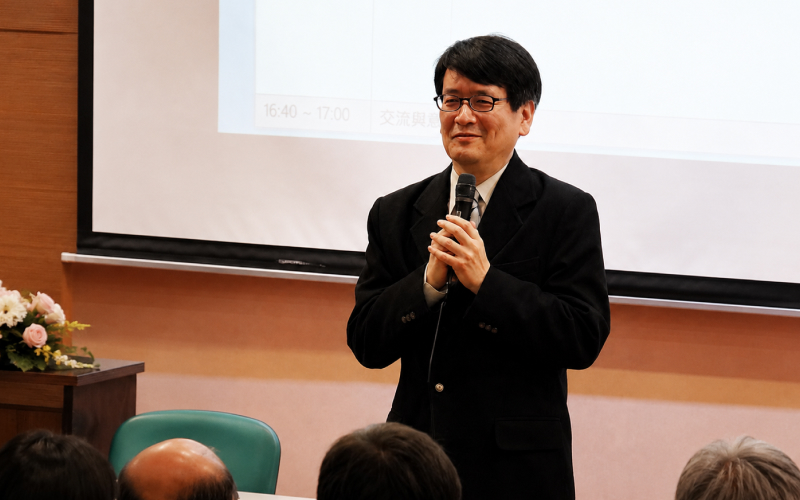
To help Taiwan's colleges and universities align their digital learning development with international standards, the Taiwan Digital Learning Association, together with the Office of Information Services at Tamkang University and the WisdomGarden Research Center, jointly hosted the Smart Education Big Data Seminar in March 2016 at the Chiang Kai-shek Memorial Hall Conference Room on Tamkang University's Taipei Campus, where the findings of the 2015 census survey on digital learning at Taiwan's colleges and universities were presented.
In one key session, Dr. Lin Li-chieh, Chairman of the Taiwan Digital Learning Association, presented the survey report, while YC Heng, Product Director at WisdomGarden, followed with "Learning Big Data: Sharing xAPI Analytics and Applications." Moving from academic survey to technical practice, this filled in the missing piece of the puzzle—how the data should actually be used.
xAPI (Experience API) means that records of learning behavior are no longer confined to a single platform: every interaction a student has, inside or outside the classroom—whether viewing materials, completing quizzes, or joining discussions—can be recorded and linked in a structured way. In his session, Hsing explained that this kind of data architecture gives schools their first opportunity to understand a student's true learning journey across platforms and contexts, rather than seeing only the single outcome of an exam score.
In the follow-up panel discussion "The Future of Mobile Learning," Hsing also joined Vice President Wang Chin-lung of Ming Chuan University, Chief Information Officer Kuo Ching-hua of Tamkang University, and Professor Chang Chiung-sui to exchange observations and perspectives on the future of mobile learning, each drawing on their own campus experience.
The value of data has never been about how much of it is collected, but about whether it can be turned into a basis that helps teachers and schools make better decisions.
Has your school already begun experimenting with cross-platform learning data analytics? We invite you to share your observations in the comments.
Want to learn more? Let’s talk.
We welcome university teaching and learning development centers, information units, and education technology partners to connect with WisdomGarden and explore together how learning big data can truly become a basis for teaching decisions.